Sustainability, Profitability, and Innovation in Food Production
A Global Food Crisis & The Need for Change
The world’s food system is facing unprecedented challenges. From climate change and soil degradation to food insecurity and rising production costs, the demand for sustainable food production has never been greater. But what if the future of food wasn’t just about sustaining current practices, but regenerating ecosystems, increasing nutritional value, and improving profitability for farmers and businesses alike?
That’s where Regenerative AgriFood comes in–an innovative approach to sustainable agriculture that prioritizes ecosystem restoration, circular economy practices, and cutting-edge AgTech innovations.
What is Regenerative AgriFood?
Unlike traditional farming, which focuses on maximizing yields at any cost, Regenerative AgriFood works in harmony with nature. By integrating soil regeneration, water conservation, and zero-waste production, this model ensures food production remains environmentally responsible, economically viable, and socially impactful.
Key Innovations in Regenerative AgriFood
Soil Health & Carbon Sequestration
Healthy soil is the foundation of sustainable food systems. Regenerative farming uses cover cropping, crop rotation, and organic soil amendments to boost biodiversity and improve carbon sequestration–effectively reversing environmental damage while increasing productivity.
Smart Farming & Precision Agriculture
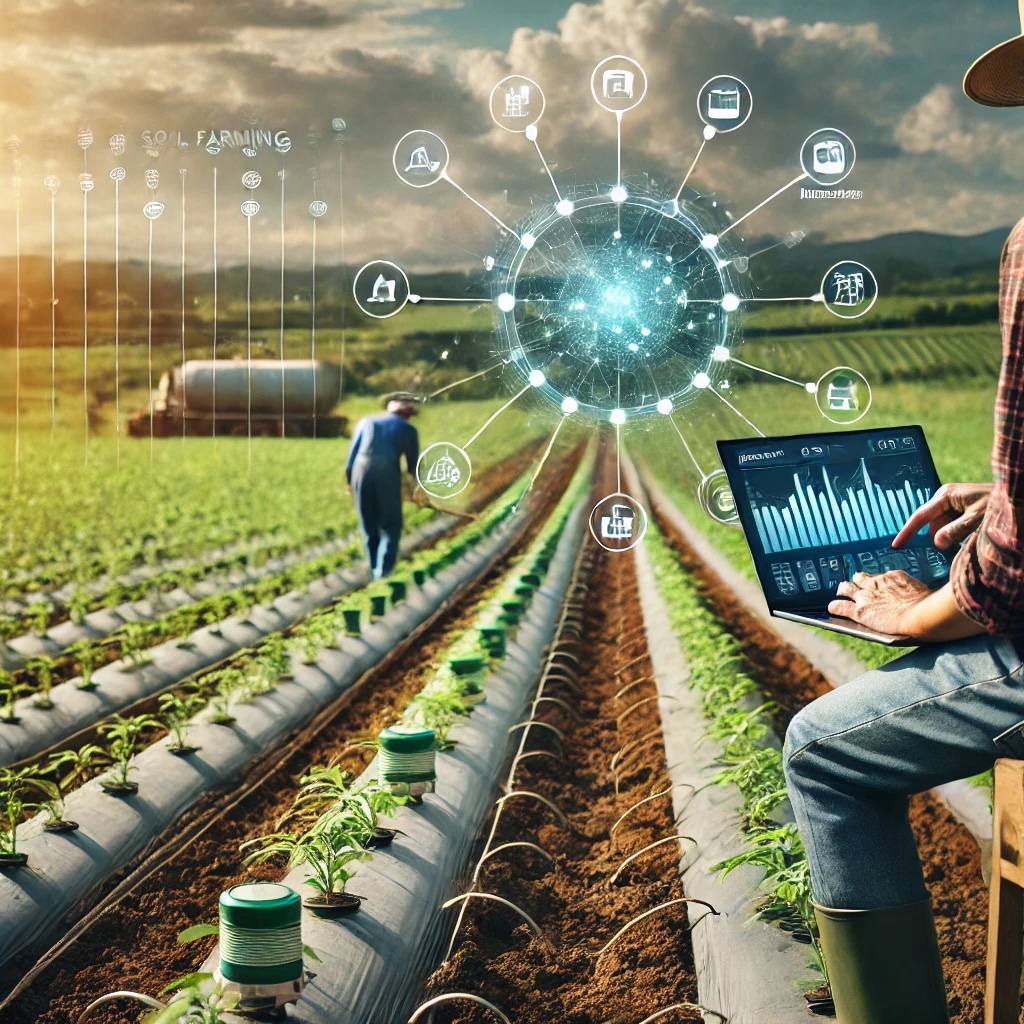
With AI-driven analytics, IoT sensors, and data-driven precision farming, food producers can monitor soil conditions, optimize water use, and reduce chemical dependency, ensuring maximum efficiency with minimal environmental impact.
Zero-Waste Nutrient Recycling
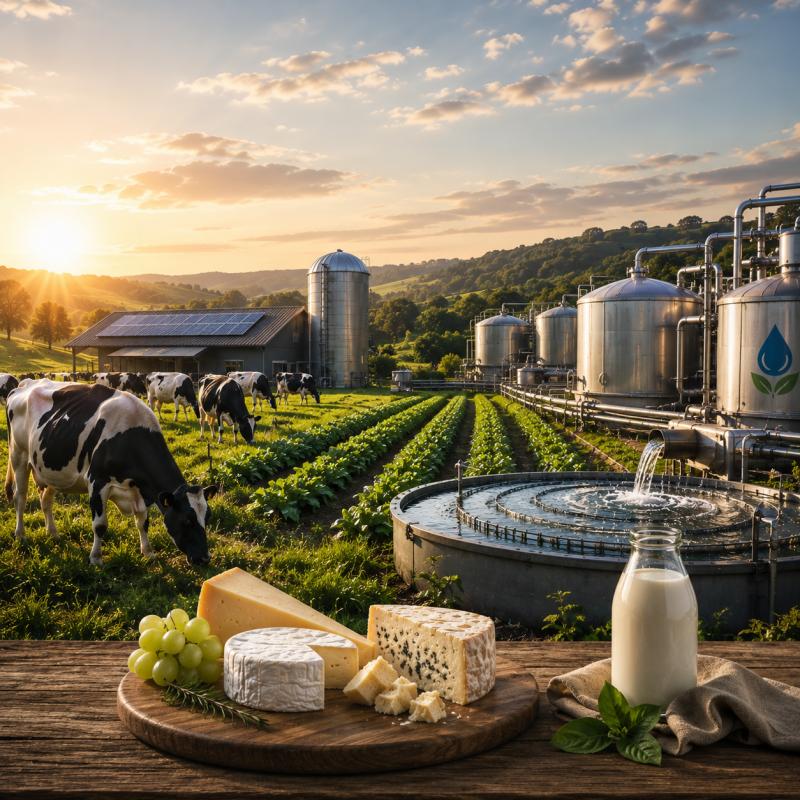
One of the biggest challenges in the AgriFood industry is waste. Through circular economy principles, Regenerative AgriFood repurposes byproducts, turning waste into valuable resources like organic fertilizers, animal feed, and biofuels.
Why the Market is Moving Towards Regenerative AgriFood
- Consumer Demand for Sustainable Products: More than ever, consumers are prioritizing eco-friendly, ethically sourced food.
- Government & Industry Support: Policies and investments are favoring climate-smart agriculture and regenerative practices.
- Profitability & Long-Term Growth: Sustainable practices reduce costs, improve yield stability, and open new market opportunities.
Conclusion:
The shift toward Regenerative AgriFood isn’t just a trend–it’s the future of global food production. Whether you’re a farmer, business leader, or investor, the opportunity to be part of this sustainable, profitable transformation is now. Watch Enviro.farm - How It Works; Explained!